On-Page SEO Checker: Top 7 Powerful Tools 2025
What is an On-Page SEO Checker and Why It's Your Secret Weapon
An on page seo checker is a digital tool that analyzes your website's individual pages to identify SEO issues and uncover optimization opportunities. These tools crawl your content just like search engines do, then deliver actionable recommendations to boost your rankings and visibility.
Quick Answer: Best On-Page SEO Checkers for 2025
- Semrush On-Page SEO Checker - Best for competitor analysis and strategy
- Sitechecker - Best free option with comprehensive checks
- SE Ranking - Best for AI-powered analysis
- Seobility - Most comprehensive criteria check
- Moz On-Page Grader - Best for beginners with clear guidance
- SEOptimer - Best for agencies needing white-label reports
- VerifySEO - Best for bulk URL analysis
Why does this matter? With over 90% of online experiences beginning with a search engine and more than half of all website traffic coming from organic search, you cannot afford to ignore your on-page SEO. It is the bedrock of your digital presence.
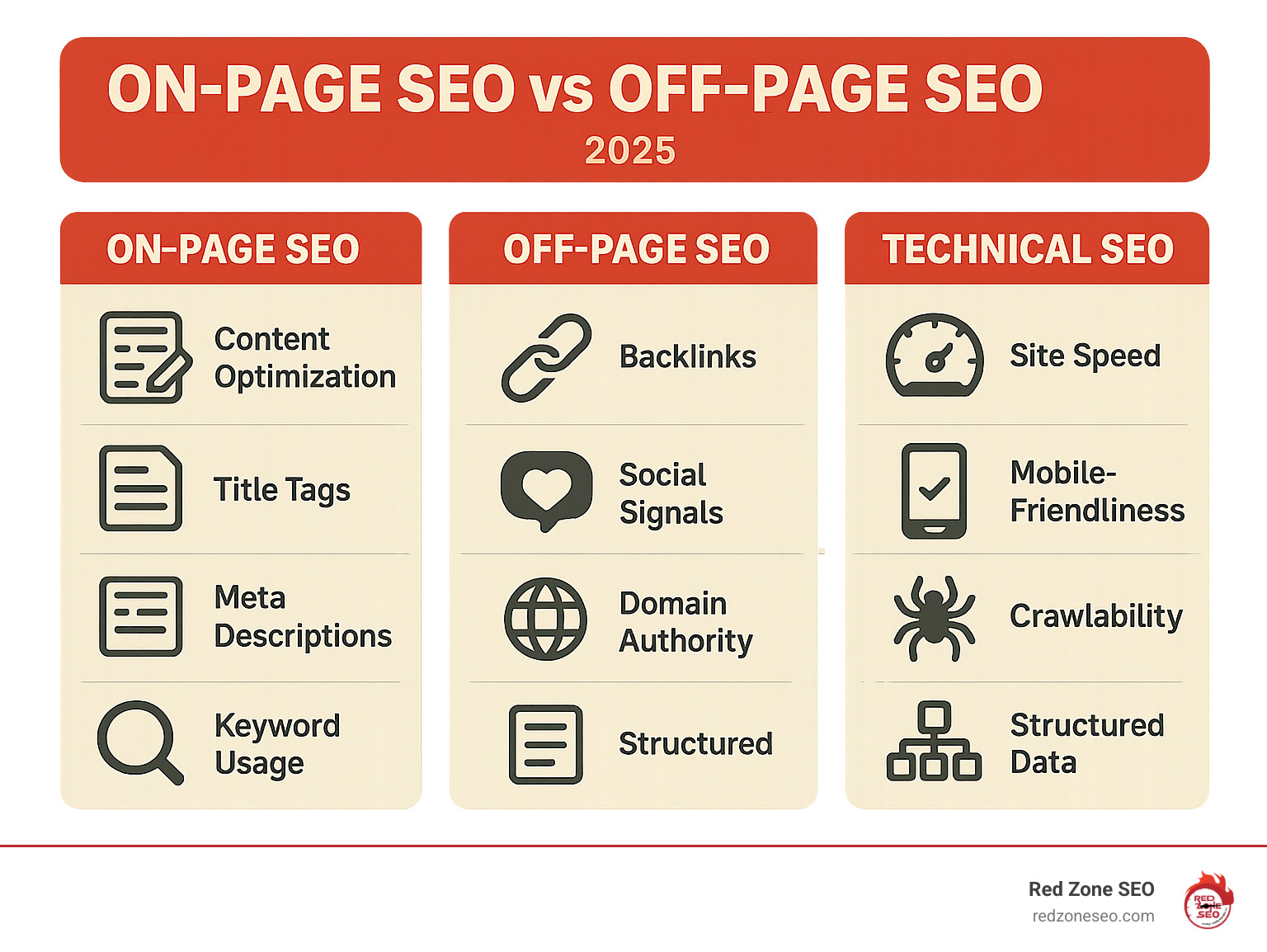
Think of on-page SEO checkers as skilled building inspectors. They spot foundational cracks from title tags and meta descriptions to page speed and mobile-friendliness before they become major problems. They compare your pages against Google's ranking factors and tell you exactly what needs fixing, often with step-by-step guidance.
The real game-changer is speed and efficiency. Whether you are a small business owner or an agency managing multiple clients, the right on page seo checker can be the difference between page-one rankings and digital invisibility.
In today's competitive digital landscape, businesses cannot rely on guesswork when it comes to SEO. Every element of your webpage sends signals to search engines about your content's quality, relevance, and user value. From the technical architecture that determines how easily search engines can crawl your site to the semantic richness of your content that demonstrates topical authority, every detail matters.
Modern on-page SEO checkers have evolved far beyond simple keyword density calculators. They now incorporate machine learning algorithms that mirror Google's own ranking systems, analyzing hundreds of factors simultaneously. These tools can detect subtle issues that even experienced SEO professionals might miss during manual audits, such as semantic keyword gaps, content freshness signals, or mobile usability problems that only appear on specific devices.
The competitive advantage becomes clear when you consider that most websites have significant on-page optimization gaps. Studies show that even well-established websites typically have dozens of easily fixable issues that could improve their search visibility. By systematically identifying and addressing these opportunities, you can often achieve ranking improvements within weeks rather than months.
On page seo checker helpful reading:
The Anatomy of an Audit: What Do On-Page SEO Checkers Actually Evaluate?
Ever wondered what happens when you run an on page seo checker? The tool sends a crawler to your webpage, much like Google does, to carefully examine every element. It reads your code, measures speeds, checks images, and analyzes your text.
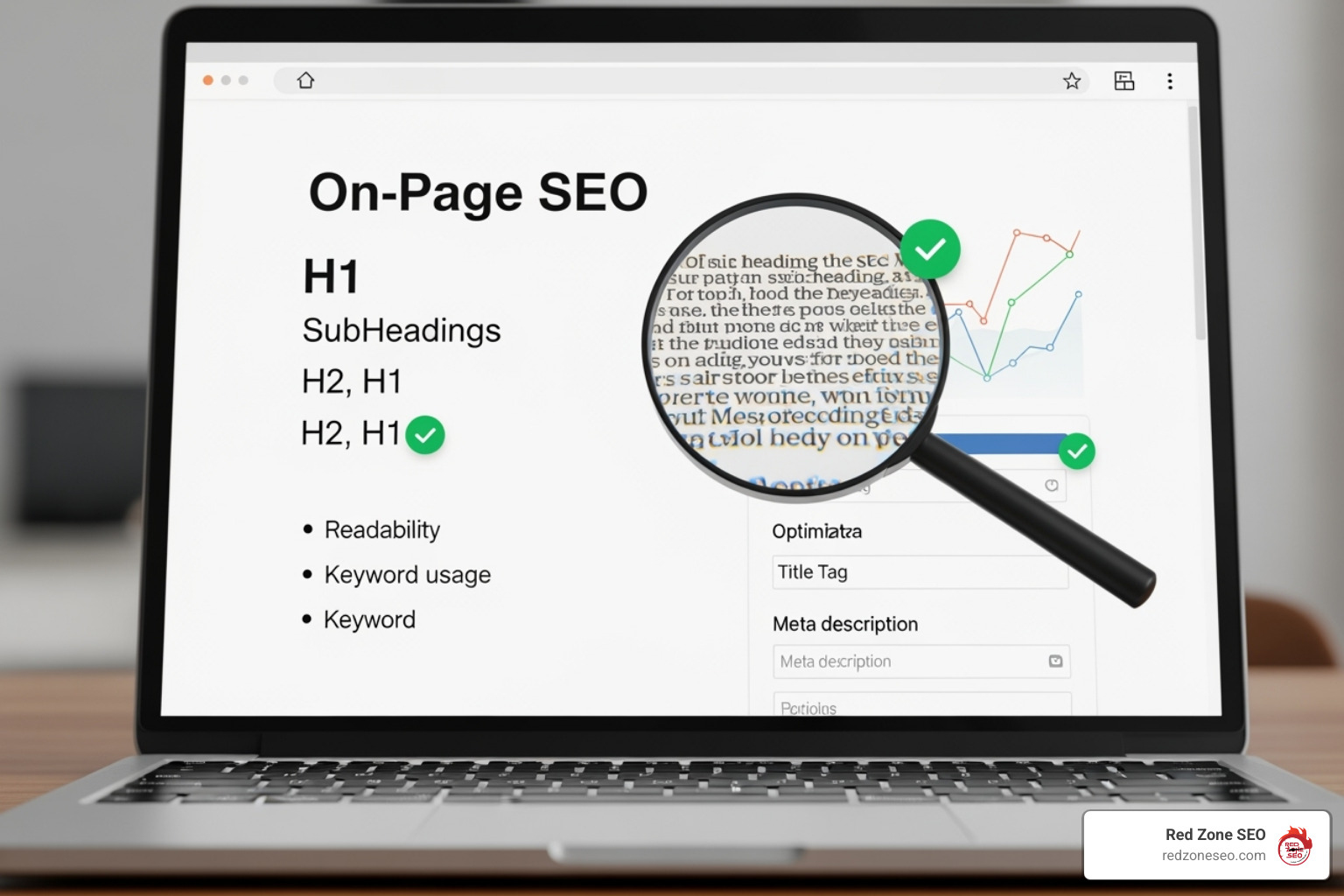
The checker then compares its findings against a vast database of SEO best practices, essentially acting as a friendly spy that reports back on what Google might think of your page. Since Google uses hundreds of ranking factors, these tools have a lot of detective work to do.
Modern SEO checkers employ sophisticated algorithms that simulate search engine behavior. They parse your HTML structure, analyze JavaScript rendering, evaluate CSS performance impact, and even assess how your content appears across different devices and screen sizes. This comprehensive approach ensures that no optimization opportunity goes unnoticed.
The crawling process itself is fascinating. These tools create a virtual browser session, load your page completely including all resources, and then systematically examine each component. They measure loading times at multiple stages, check for accessibility compliance, verify that all links function properly, and ensure that your content is properly structured for both human readers and search engine algorithms.
Content & Semantic Analysis
Your content is the star of the show. Modern checkers are smart, looking beyond simple keyword stuffing to understand the true quality and relevance of your content.
- Title Tags & Meta Descriptions: Your title tag (30-60 characters) is your clickable headline in search results, while your meta description (120-160 characters) is your elevator pitch. Both need to be compelling and include your target keyword. Advanced checkers now analyze emotional triggers, power words, and click-through rate optimization potential.
- Heading Structure: A logical heading structure (H1, H2, H3, etc.) organizes your content for readers and search engines. A missing H1 tag or a confusing hierarchy is a common red flag. Modern tools also check for keyword distribution across headings and ensure proper semantic flow.
- Content Length & Depth: While there is no magic word count, your content must be substantial enough to cover the topic thoroughly. Checkers analyze if your content has sufficient depth compared to top-ranking pages, examining factors like topic coverage, supporting evidence, and comprehensive treatment of subtopics.
- Semantic Analysis: Tools look for related terms and concepts (LSI keywords) to verify your expertise. If you write about apple pie, they expect to see words like baking, crust, and dessert. This semantic richness signals topical authority to search engines.
- Readability: Your content must be easy for humans to understand. Checkers evaluate sentence length, paragraph structure, and complexity to ensure your message is clear. They also assess reading grade level and suggest improvements for better user engagement.
- Content Freshness: Modern checkers evaluate whether your content reflects current information, recent updates, and contemporary relevance. They may flag outdated statistics, broken references, or information that no longer aligns with current best practices.
- User Intent Matching: Advanced tools analyze whether your content truly satisfies the search intent behind your target keywords. They compare your approach against top-ranking competitors to identify gaps in addressing user needs.
For deeper insights into crafting content that both humans and search engines love, explore our guide on Content Optimization.
Technical Health & Crawlability
Technical optimization is the circulatory system of your SEO. This is where checkers dive into the details that can make or break your visibility.
- Page Speed & Core Web Vitals: Slow pages kill user experience. Checkers identify what is slowing you down, from large images to bloated code. They also measure Core Web Vitals (LCP, FID, CLS), which are Google's key metrics for user experience. Many use data from Google's PageSpeed Insights tool for accuracy.
- Mobile-Friendliness: With mobile-first indexing, your site must be flawless on all screen sizes. This is a non-negotiable ranking factor. Checkers test responsive design, touch target sizes, font readability, and navigation usability across devices.
- Crawlability & Indexing: Checkers inspect your robots.txt file, meta tags, and canonical tags to ensure search engines can find, understand, and correctly index your important pages without getting confused by duplicate content.
- URL Structure & Security: Clean, descriptive URLs are better for users and SEO. An SSL certificate (HTTPS) is essential for security and is a confirmed ranking signal. Modern checkers also evaluate URL length, parameter usage, and redirect chains.
- Broken Links: Dead ends from broken internal or external links frustrate users and crawlers. Checkers hunt these down for you to fix, including checking for redirect loops and temporary redirects that should be permanent.
- Server Response Codes: Tools monitor HTTP status codes to ensure pages return proper responses. They flag 404 errors, server errors, and redirect issues that could impact search engine crawling.
- XML Sitemap Quality: Checkers verify that your sitemap is properly formatted, accessible, and includes all important pages while excluding pages that should not be indexed.
If you are running a WordPress site, these technical elements require special attention. Our WordPress SEO Services can help ensure your technical foundation is rock-solid.
This final piece of the puzzle involves how users experience your visual and interactive content.
- Image Optimization: Checkers analyze more than just file size. They look for descriptive filenames and ensure every image has alt text, which helps search engines and screen readers understand the visual content. They also check image format efficiency, lazy loading implementation, and responsive image delivery.
- Code-to-Text Ratio: This metric reveals the balance between your visible content and the underlying code. A healthy ratio suggests your page offers substantial value without excessive technical overhead.
- Structured Data (Schema): This markup helps search engines understand your content's context, which can lead to eye-catching rich snippets in search results. Checkers verify proper implementation and identify opportunities for additional markup.
- Social Markup: Open Graph tags control how your content appears when shared on social media, impacting its shareability and professional look. Tools check for proper title, description, and image tags across platforms.
- Favicon: Even that tiny icon in a browser tab matters. It contributes to brand recognition and a polished user experience.
- Interactive Elements: Modern checkers evaluate forms, buttons, and other interactive elements for usability and accessibility compliance.
- Content Layout: Tools assess how content is visually organized, checking for proper use of white space, logical information hierarchy, and visual elements that improve rather than distract from the main content.
For e-commerce websites, these UX elements are even more critical. Learn more in our guide to Ecommerce Store SEO.
The 2025 Roundup: Our Top 7 Picks for the Best On-Page SEO Checker
Now that we understand what these powerful tools inspect, let's explore the best on page seo checker options available. We have narrowed down the choices to our top picks, focusing on those that provide comprehensive insights, actionable recommendations, and outstanding value.
The SEO tool landscape has evolved dramatically in recent years. What once required multiple separate tools can now be accomplished with comprehensive platforms that integrate various aspects of optimization analysis. However, this consolidation has also led to feature bloat in some tools, making it crucial to identify which platforms truly excel at on-page analysis versus those that offer on-page checking as a secondary feature.
Our evaluation process considered several critical factors: accuracy of recommendations, depth of analysis, ease of implementation, reporting quality, integration capabilities, and overall value proposition. We tested each tool against a diverse set of websites across different industries, content management systems, and optimization levels to ensure our recommendations work in real-world scenarios.
How to Choose the Right On-Page SEO Checker
Before diving into our top picks, understand how to select the tool that best fits your unique needs. The right choice depends on your budget, team size, technical expertise, and specific goals.
- Scope of Analysis: Do you need a quick check of a single page, or a deep, ongoing audit of an entire website? Some tools specialize in one-off reports, while others are built for continuous monitoring and project management.
- Budget and Pricing Model: Free versions are great for quick checks, but paid plans open up advanced features like deep competitor analysis, prioritized task lists, and bulk auditing. Consider whether a monthly subscription or a pay-as-you-go model is more suitable.
- User Interface and Experience: Your choice should align with your technical expertise. Beginners benefit from tools with clear explanations and step-by-step guidance. Experienced SEO professionals might prefer platforms offering raw data, advanced filtering, and customization options.
- Integration Capabilities: Consider your existing workflow. Does the tool need to integrate with Google Analytics, Google Search Console, project management software like Trello or Jira, or content management systems like WordPress? Seamless integration can save significant time.
- Collaboration and Reporting: If you work in a team or serve clients, look for features like user management, shared reports, task assignment, and white-labeling. The ability to create professional, branded reports is crucial for agencies.
- Data Sources and Accuracy: Investigate where the tool gets its data. Does it use its own proprietary crawler, or does it rely on third-party APIs? The quality of its data directly impacts the reliability of its recommendations.
- Support and Community: When you encounter an issue, how responsive is the support team? A strong knowledge base, active user community, and accessible customer support can be invaluable, especially when learning a new platform.
Understanding the SEO Audit Cost can also help you budget for the right solution and understand the value proposition of paid tools.
1. Semrush On-Page SEO Checker: The All-in-One Strategist
Overview:
Semrush is an undisputed powerhouse in the SEO world, and its On-Page SEO Checker is a core component of its comprehensive suite. It goes far beyond basic checks by comparing your page against the top 10 real-time organic competitors for your target keywords. This provides unparalleled strategic insights, offering actionable ideas for content enrichment, semantic keyword usage, backlink opportunities, and technical fixes by integrating with its powerful Site Audit tool.
Key Features:
- Competitor-Based Recommendations: Generates ideas based on a deep analysis of what's working for the top-ranking pages for your keywords.
- Semantic Analysis (TF-IDF): Provides a list of semantically related keywords that your top competitors are using, helping you build topical authority.
- Content and Readability Scores: Analyzes your content's quality and readability, offering specific suggestions for improvement.
- Integration with Google Tools: Connects to Google Analytics and Google Search Console to incorporate user behavior metrics like bounce rate and session duration into its recommendations.
- Task Management: Automatically creates a prioritized list of tasks to improve your page's SEO, which can be sent to project management tools like Trello.
Pros:
- Best competitive intelligence provides a clear strategic advantage.
- Holistic approach connects on-page SEO to technical SEO, content marketing, and backlink building.
- Excellent integration within the broader Semrush ecosystem creates a seamless workflow.
- Professional-grade reporting is ideal for agencies and in-house marketing teams.
Cons:
- Can be overwhelming for beginners due to the sheer volume of data and features.
- Higher price point compared to more specialized tools.
Pricing:
The On-Page SEO Checker is included in Semrush's subscription plans, which start at around $129.95/month.
Best For:
SEO professionals, marketing agencies, and businesses that need a comprehensive, data-driven tool for developing a winning SEO strategy.
2. Sitechecker: The Best Free On-Page SEO Checker for Quick Audits
Overview:
For a fast, free, and surprisingly comprehensive audit, Sitechecker is an excellent choice. Its free on-page checker scans your page against over 100 parameters, categorizing issues by severity (Critical, Warning, Notice) and providing clear, step-by-step fix guides. Its popular Chrome extension, used by over 100,000 people, delivers these instant insights with a single click, making it a go-to tool for quick analysis.
Key Features:
- Comprehensive Free Scan: Checks a wide range of factors including content, images, links, and technical elements without requiring a subscription.
- Prioritized Issue List: Organizes findings by severity, helping you focus on the most impactful fixes first.
- "How-to-Fix" Guides: Provides practical, easy-to-understand instructions for resolving each identified issue.
- Convenient Chrome Extension: Allows for on-the-fly audits of any webpage you visit, perfect for competitor analysis or content development.
Pros:
- The best free tool on the market for a quick yet thorough on-page check.
- Extremely user-friendly interface makes it accessible to non-SEOs.
- Actionable guidance helps users learn SEO principles as they work.
- The Chrome extension is incredibly convenient for daily use.
Cons:
- The free version is limited to single-page checks.
- Lacks the deep competitor analysis and strategic recommendations of paid platforms.
Pricing:
Offers a powerful free on-page checker. Full site auditing and monitoring are available in paid plans starting at $49/month.
Best For:
Small business owners, bloggers, and marketing generalists who need a quick, easy, and free way to identify and fix on-page SEO issues.
3. SE Ranking: The AI-Powered Analyst
Overview:
SE Ranking's On-Page SEO Checker is a standout tool that leverages AI to provide a data-driven roadmap for optimization. It analyzes pages against 94 parameters, but its real strength lies in its integration of competitor data and robust workflow management. It allows you to create, assign, and track on-page tasks, making it an ideal solution for teams and agencies managing multiple projects.
Key Features:
- AI-Powered Recommendations: Uses machine learning to identify optimization patterns from top-ranking competitors, offering contextually relevant advice.
- In-Depth Competitor Analysis: Compares your page's core parameters (content length, keyword density, technical metrics) against a selection of your top rivals.
- Integrated Task Management: Allows you to turn identified issues into tasks, assign them to team members, and track their completion within the platform.
- Dynamic Scoring: Provides a detailed page score that updates as you fix issues, giving you a clear measure of progress.
Pros:
- Excellent balance of powerful features and user-friendly design.
- Strong workflow and collaboration tools are perfect for teams.
- Competitive pricing offers great value for the features provided.
- AI-driven insights provide a more nuanced and effective optimization strategy.
Cons:
- The number of parameters checked is slightly lower than some competitors like Seobility.
- Some advanced features have a slight learning curve.
Pricing:
Included in SE Ranking's plans, which are highly customizable and start at around $55/month.
Best For:
SEO agencies, in-house marketing teams, and businesses looking for a powerful, collaborative tool with a strong focus on competitor analysis.
4. Seobility: The Comprehensive Auditor
Overview:
Known for its German engineering and thoroughness, Seobility's SEO Checker audits your page against more than 200 criteria. It provides a truly holistic view of your optimization status, from major technical flaws to minor content tweaks. The tool calculates an overall SEO score, with anything above 80% considered well-optimized, and presents findings in a clean, color-coded report with a prioritized task list.
Key Features:
- Exhaustive Criteria Check: Analyzes over 200 on-page and technical factors, making it one of the most comprehensive checkers available.
- TF-IDF Analysis Tool: Includes a tool to help you find important related terms to enrich your content and demonstrate topical authority.
- Clear Scoring System: Provides a simple 0-100 score that makes it easy to benchmark performance and track improvements over time.
- Downloadable PDF Reports: Generates clean, professional PDF reports that are suitable for client presentations.
Pros:
- Extremely thorough analysis catches issues other tools might miss.
- The free version is quite generous, allowing for a full site crawl (up to 1,000 pages).
- Clean, intuitive interface and reporting.
- Great educational value, as it explains the "why" behind each recommendation.
Cons:
- Lacks the real-time competitor comparison of tools like Semrush.
- The interface, while clean, can feel slightly less modern than some rivals.
Pricing:
Offers a free plan for small websites. Paid plans with more extensive features start at a very affordable $50/month.
Best For:
Website owners who want a deep, comprehensive audit, and SEOs who appreciate a meticulous, no-stone-unturned approach to on-page optimization.
5. Moz On-Page Grader: The Industry Veteran
Overview:
As part of the respected Moz Pro suite, the On-Page Grader is a classic tool that has been helping SEOs for years. It's famously user-friendly, making it a fantastic choice for beginners. You simply enter a URL and a target keyword, and it returns a page optimization score from 1-100 along with a prioritized checklist of fixes. Its clear, actionable advice and integration with other Moz metrics are its standout features.
Key Features:
- Keyword-Focused Analysis: Grades your page's optimization specifically for a target keyword.
- Simple Scoring and Checklist: Provides an easy-to-understand score and a clear, prioritized list of recommended actions.
- Integration with Moz Data: Incorporates Moz's proprietary metrics like Page Authority and Domain Authority into its analysis.
- Helpful Tips and Tutorials: Each recommendation is linked to educational content that explains the concept in detail.
Pros:
- Extremely easy to use, making it perfect for SEO newcomers.
- Recommendations are backed by Moz's long-standing reputation and research.
- The focus on a single keyword provides clear, targeted optimization advice.
- Great educational resources help users build their SEO knowledge.
Cons:
- Less comprehensive than other tools, focusing primarily on content and basic elements.
- Requires a Moz Pro subscription, which can be costly if you only need the on-page tool.
- Lacks bulk analysis and deep technical checks.
Pricing:
Included with a Moz Pro subscription, which starts at $99/month.
Best For:
Beginners, content marketers, and small business owners who want a straightforward, reliable tool to guide their on-page efforts for specific keywords.
6. SEOptimer: The Lead Generation Machine
Overview:
SEOptimer is a fantastic tool for agencies and freelance SEOs, specializing in creating beautiful, customizable, white-label PDF reports in just seconds. Its unique selling proposition is its embeddable audit tool, which can be placed on an agency's website to capture leads. This feature has reportedly doubled inbound SEO leads for some clients by offering immediate value to potential customers.
Key Features:
- White-Label Reporting: Create professional, branded reports with your own logo and company information.
- Embeddable Audit Tool: A website widget that provides a free SEO audit in exchange for a user's contact information, acting as a powerful lead magnet.
- Rapid Report Generation: Produces comprehensive reports in under 30 seconds.
- Multilingual Support: Offers reports in over 14 languages, making it great for international agencies.
Pros:
- Best for lead generation and client acquisition for SEO agencies.
- Beautiful, easy-to-understand reports are perfect for client communication.
- Very fast and easy to use.
- Affordable pricing for the value it provides to agencies.
Cons:
- The audit itself is less in-depth than technical tools like Seobility or Semrush.
- Primarily focused on reporting and lead generation rather than deep strategic analysis.
Pricing:
Plans start at $19/month, with white-label and embedding features available in higher tiers.
Best For:
Digital marketing agencies, freelance SEOs, and sales teams who need a fast, professional reporting tool to attract and convert new clients.
7. VerifySEO: The Bulk Analysis Specialist
Overview:
When you need to check many pages at once, VerifySEO is the answer. Its core strength is its bulk analysis feature, which can audit up to 100 URLs simultaneously—a massive time-saver for large e-commerce sites, enterprise websites, or agencies managing multiple clients. It tracks over 50 key SEO features and provides plain-language explanations and how-to-fix tutorials for every issue it finds.
Key Features:
- Bulk URL Auditing: Analyze up to 100 pages at once, with results neatly organized in a single dashboard.
- Side-by-Side Competitor Comparison: Audit your page and a competitor's page simultaneously to see a direct comparison of on-page factors.
- Plain-Language Explanations: Translates technical SEO concepts into easy-to-understand terms, making it accessible to all skill levels.
- Data Export: Easily export all audit data to CSV for further analysis in Excel or Google Sheets.
Pros:
- The bulk analysis feature is a huge time-saver for large-scale projects.
- Very affordable, with a generous free trial.
- Simple, no-frills interface is focused on speed and efficiency.
- The side-by-side comparison is excellent for competitive analysis.
Cons:
- The user interface is more functional than polished.
- Lacks the advanced project management and strategic recommendation features of all-in-one suites.
Pricing:
Offers a free trial. Paid plans are very competitive, starting at around $29/month.
Best For:
Enterprise SEOs, e-commerce managers, and agencies that need to efficiently audit and monitor a large number of pages.
From Report to Results: How to Use Your Audit Effectively
Getting a report from an on page seo checker is just the first step. The real work begins when you translate those findings into action. Many people run an audit, get overwhelmed by the list of issues, and then do nothing. This is your opportunity to gain an advantage.
Interpreting the Report & Prioritizing Fixes
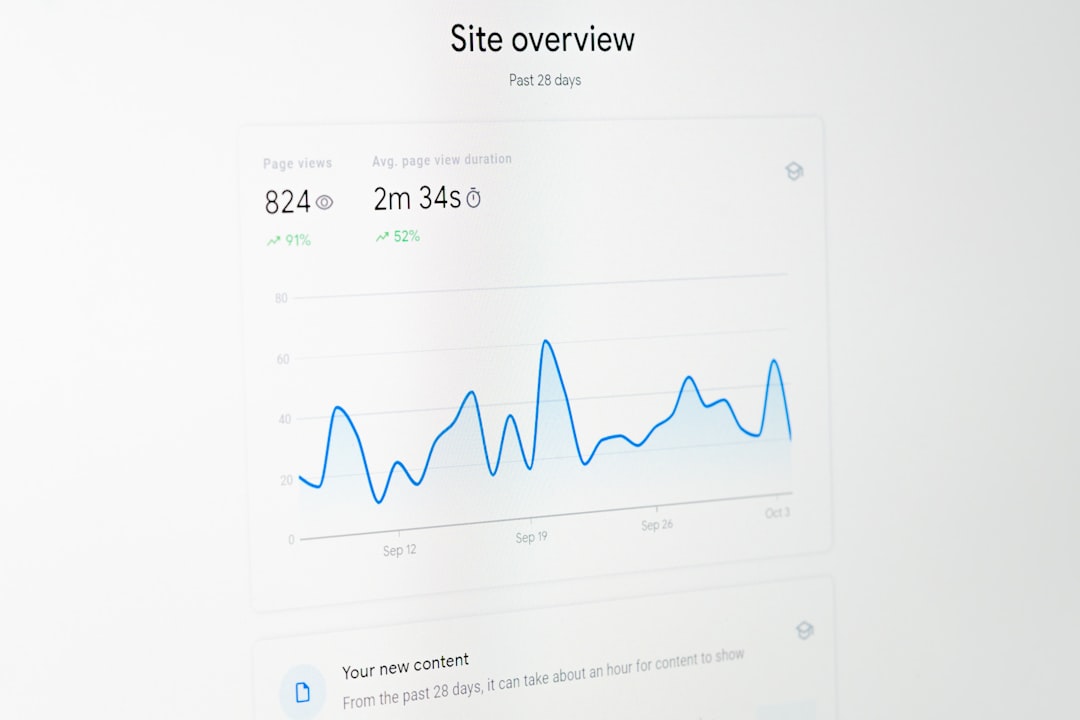
Most tools provide an "SEO Score." While helpful for tracking progress, don't fixate on the number. Focus on the underlying issues. Look for patterns: are your problems mostly technical, or are they content-related? This tells you where to direct your energy.
Create a strategic action plan. Don't try to fix everything at once. Prioritize your tasks like this:
- Critical Errors First: Tackle issues that prevent search engines from crawling or indexing your page. This includes broken links, indexing blocks, or severe page speed problems.
- High-Impact Content Changes: Move on to quick wins like optimizing your title tags and meta descriptions. These are your page's first impression in search results.
- User Experience Improvements: Address Core Web Vitals, optimize large images, and ensure your site is mobile-friendly. A happy user is more likely to convert.
- Content Refinements: Finally, work on improving readability, adding semantic keywords, and expanding your content's depth. This is what separates good pages from great ones.
Tracking Progress & Consistent Monitoring
SEO is not a one-time fix; it's an ongoing process. After implementing changes, run your on page seo checker again to confirm the issues are resolved. But don't stop there.
Regular audits should become part of your routine—at least quarterly, or whenever you publish new content or notice a drop in rankings. The real test is your actual search performance. Monitor your rank tracking tools and Google Analytics to see if your efforts are improving traffic and engagement.
Search algorithms are constantly evolving. Consistent monitoring helps you stay ahead of changes and maintain your competitive edge. For a comprehensive evaluation of your entire site, a full SEO Audit can provide the strategic roadmap needed for long-term success.
Frequently Asked Questions about On-Page SEO Checkers
Let's tackle the most common concerns and clear up some widespread misconceptions about using an on page seo checker.
My on-page score is perfect, but I'm not ranking. Why?
This is a frustrating but common situation. A perfect on-page score means you have a solid foundation, but it's just one piece of a much larger puzzle. Google uses hundreds of ranking factors, and many of them happen off your page.
Here are a few reasons you might not be ranking:
- Weak Off-Page SEO: Your competitors may have a much stronger backlink profile. Backlinks act as votes of confidence from other sites, and without them, it's hard to compete.
- Low E-E-A-T: Google values Experience, Expertise, Authoritativeness, and Trust. Your content must be credible and published on a relevant site. A technically perfect article on a new, unknown blog will struggle to outrank an established authority.
- Intense Competition: You might be in a highly competitive niche where rivals have massive domain authority and resources. Perfect on-page SEO is the entry ticket, not the winning prize.
- Search Intent Mismatch: Your content might be perfectly optimized but fail to match what users are actually looking for. If users want a quick video tutorial and you've written a 3,000-word article, Google will favor the content that better serves the user's intent.
How often should I run an on-page SEO check?
Regular checks are key to maintaining a healthy site. Here’s a good rule of thumb for when to run an audit:
- After publishing new content: Catch simple mistakes before they impact performance.
- During a website redesign: This is a high-risk period for technical SEO errors.
- As a quarterly health check: Proactively find and fix issues before they become major problems.
- When rankings drop unexpectedly: An audit can quickly diagnose the cause.
- For competitor analysis: Monthly checks on rivals can reveal strategic opportunities.
Our guide to SEO for Small Business can help you create a manageable routine.
Can an automated checker replace a human SEO expert?
No. An automated checker is like a calculator for a mathematician—an essential tool, but it can't replace strategic thinking and context.
- Tools Find Problems, Humans Create Strategy: A checker can identify a slow page speed, but a human expert can determine the business impact and prioritize the fix against other initiatives. The tool provides data; the expert provides a strategy.
- Context is Everything: A tool might flag your content as being shorter than a competitor's, but a human understands your audience may prefer concise answers. An expert can make judgment calls based on your specific industry, audience, and business goals.
- Creative Problem-Solving: A human can steer unique technical setups or brand considerations that might confuse an automated tool.
The most effective approach combines both. At Red Zone SEO, we use powerful tools to handle the heavy lifting of data collection, allowing our experts to focus on interpretation, prioritization, and strategic implementation. Learn more about our approach in our SEO Strategies for Start-ups.
Conclusion: Win the SEO Game with the Right Strategy
In today's digital landscape, a reliable on page seo checker is an essential part of your toolkit. These tools act as your website's personal health monitor, diagnosing issues that could be holding you back from top search rankings.
We've explored how these tools analyze everything from content and keywords to technical health and user experience. We've also highlighted the top checkers for 2025, from Semrush's strategic insights to Sitechecker's powerful free audits and VerifySEO's bulk analysis capabilities.
However, a tool is only as good as the person using it. The real magic happens when you consistently apply the recommendations. SEO is a marathon, not a sprint. It rewards patience, consistency, and smart execution. The businesses that win are those that commit to an ongoing process of optimization and adaptation.
At Red Zone SEO, we combine the analytical power of the best tools with genuine human expertise. We understand that data without context is just noise. We don't just identify problems—we craft comprehensive strategies that drive real business growth.
Whether you're a local business in Las Vegas or a company anywhere in the country, we bring data-driven solutions that deliver measurable results. Your competitors are investing in SEO every day. Don't get left behind.
Take the first step toward dominating your market. Contact us for a comprehensive Las Vegas SEO strategy and find how our proven approach can help you win the SEO game. Your future customers are searching for you right now—let's make sure they find you first. Reach out to our Las Vegas SEO Experts today.